
Things to Do in Kuwait City in February
February weather, activities, events & insider tips
Shoulder Season · Good Value
February Weather in Kuwait City
Long-run averages for February
71°F (22°C)
High Temp
48°F (9°C)
Low Temp
0.4 inches (10 mm)
Rainfall
54%
Humidity
5
Sunny-Day UV
⚠ Shamal dust winds can blow from the northwest without extended warning, reducing visibility and depositing fine sand across the city. These events typically last one to three days and are more common in late February. Travelers with respiratory sensitivities should carry a dust mask or N95 and monitor local weather forecasts, as the fine particulate during a strong shamal can irritate lungs even in healthy individuals.
⚠ February 2027 is expected to fall within Ramadan. While not a weather hazard, the daytime fasting restrictions, including no public eating or drinking, mean you cannot freely hydrate while outdoors. Plan outdoor activities for cooler morning hours and carry water to drink privately. Dehydration is a real risk if you spend extended time walking in the afternoon sun without planning your water intake around the fasting rules.
Is February Right for You?
Weigh the advantages and considerations before booking
Advantages
- + February brings Kuwait City's most walkable weather of the year. Daytime highs hit 22°C (71°F). You can stroll the waterfront corniche from Kuwait Towers down to Souq Sharq without the brutal heat that makes this same walk deadly from May through September, when temperatures routinely soar past 45°C (113°F). The air holds a dry coolness off the Arabian Gulf. Mornings carry a crispness that catches first-timers off guard. Many assume the Gulf stays hot year-round. They are wrong.
- + February 2027 will likely fall during Ramadan. This shifts the daily rhythm dramatically. It also unlocks experiences most tourists miss entirely. After sunset, Kuwait City ignites. The souqs thrum with the scent of fresh luqaimat in date syrup. Families pour into malls and onto waterfronts. Iftar gatherings at mosques and public tents overflow with generosity. You will witness Kuwaiti hospitality at its peak. The nighttime energy during Ramadan cannot be replicated. Not in any other month.
- + Kuwait National Day falls on February 25. Liberation Day follows on February 26. Even during Ramadan, the entire city erupts in celebration. Fireworks explode behind Kuwait Towers after iftar. Buildings along Gulf Road wear the national flag's green, white, red, and black. The patriotic mood spreads fast. These two days reveal how Kuwaitis see themselves. Not merely as oil-rich Gulf residents. As a small nation that endured invasion and rose from the ashes.
- + South of Kuwait City, the desert becomes walkable in February. The ground still holds winter moisture. Green scrub patches speckle the tan landscape. This is a brief season when the desert feels alive, not hostile. Cool temperatures make overnight camping comfortable. The night skies stay clear enough to trace the Milky Way across the flat horizon. Drive 40 km (25 miles) from the city. Light pollution vanishes. The stars dominate.
Considerations
- − Ramadan will likely cover nearly all of February 2027. Unprepared travelers find the daytime experience disorienting. Most restaurants stay closed until sunset. Eating or drinking in public during daylight is illegal and socially unacceptable. Business hours shrink. If your vacation fantasy includes a lazy lunch on a seaside terrace, pick another month. Travelers who adapt, however, often rank these trips among their best. Sleep later. Eat at iftar. Explore after dark.
- − Shamal winds strike without warning in February. The sky turns hazy ochre. Fine sand coats every exposed surface. These northwest gusts slash visibility for days at a time. Your eyes burn. Your skin feels coated. Outdoor photography becomes pointless. Late February and March see more of these events. Earlier in the month offers better odds for clear skies.
- − Kuwait City's public transit lags behind Dubai or Doha. No metro exists. Buses run, but not for tourists. You will rely on ride-hailing apps or taxis. Costs add up. Patience wears thin during post-iftar traffic surges, when half the city hits the road at once.
Best Activities in February
Top things to do during your visit
Kuwait City in February sits in its most temperate window. Daytime temperatures hover around 22°C (71°F). Warm enough for a light jacket to feel unnecessary by noon. Cool enough that walking the corniche or threading through souqs never turns punishing. Nights drop to about 9°C, and the dry desert air sharpens after sundown. Evenings along the waterfront carry a noticeable chill. The kind that makes a cup of cardamom-laced karak chai from a street vendor feel restorative rather than obligatory. Rainfall is negligible, averaging just 10 mm for the entire month. Day after day of unbroken blue sky above the Gulf. Compare that to the furnace months of June through August, when thermometers push past 45°C. February is one of the few stretches when Kuwait City belongs to its residents rather than to air conditioning. The city carries a specific energy this time of year. Families spill into public parks like Al Shaheed and Green Island well into the evening. Picnicking on blankets spread across the grass while children chase each other along the perimeter paths. The fish market at Sharq smells of brine and fresh hamour laid out on crushed ice. Vendors along the old Mubarakiya Souq roast chestnuts and cashews in iron drums, sending plumes of sweet, smoky air drifting into the alleyways. February weather in Kuwait makes outdoor exploration not just tolerable but pleasant. A fact that reshapes the entire pace of the city. Restaurant terraces that sit empty for half the year fill up. Dhow-harbor walks that would be unthinkable in July become leisurely. The coastline along the Arabian Gulf glints under a low winter sun that turns the water a pale, metallic silver. For travelers asking whether February is the right month, the short answer is that Kuwait City reveals far more of itself when you can stand outside to see it. The capital is safe for visitors exercising ordinary urban awareness. Its hospitality culture runs deep. Expect unsolicited directions, offers of tea, and a general attentiveness to guests that reflects genuine Kuwaiti tradition rather than tourist-industry polish. Nightlife is quieter than in neighboring Dubai or Bahrain, shaped by the country's alcohol-free social scene. The café culture is serious. Late-night coffee shops in Salmiya and the Avenues Mall district stay packed until well past midnight with conversation, shisha smoke curling upward, and the low hum of Arabic pop from speakers. Food in Kuwait City draws from the Gulf, the Levant, Iran, and the Indian subcontinent. February's cooler evenings are when outdoor grills fire up for machboos, a spiced rice dish layered with slow-cooked lamb or fish that fills entire blocks with the scent of dried lime and turmeric.

Half Day licensed Tours in Kuwait City & Desert PickUp & DropOff
guided_experienceThe half-day licensed tour of Kuwait City and the surrounding desert packs the capital's contrasts into a single compressed arc. You move from the geometric glass-and-steel towers of the downtown skyline, the Kuwait Towers themselves glowing pale blue against the flat horizon, out to the quieter fringes where the city simply stops and the stony, rust-colored desert begins. Guides with local knowledge narrate the transitions: the reconstructed heritage of the old city walls, the wide expanse of Liberation Tower's shadow, and then the open desert where the silence is so total you hear the wind scraping across gravel.
Covers both Kuwait City's urban landmarks and the spare beauty of the desert fringe in a single morning or afternoon, with hotel transfers that eliminate the logistics of navigating an unfamiliar road network.
Insider tip: Request the afternoon departure if you want to catch the desert light shifting from white to amber. The color change across the flat terrain is dramatically more photogenic than the harsher midday glare.
This month: February's mild temperatures, averaging 22°C, mean the desert portion of the tour is comfortable on foot, unlike summer months when ground-level heat makes outdoor stops brief and unpleasant.

Full Day licensed Tours in Kuwait City & Desert PickUp & DropOff
day_tripThe full-day version extends the half-day circuit into a properly immersive sweep of Kuwait City and the desert beyond. The morning typically begins with the capital's architectural landmarks, the turquoise-domed Grand Mosque, the sail-shaped Al Hamra Tower catching the sun, the low mudbrick reconstructions of heritage houses in the old quarter, before heading south into open desert where the terrain flattens into a vast, tawny emptiness broken only by the occasional Bedouin camp. Lunch is included, and the slower pace gives time for stops that the half-day version compresses: a walk through a traditional market where the smell of oud and saffron hangs thick in the narrow passages, or a longer stretch in the desert where the quiet is almost physical, pressing against your ears.
The full day allows Kuwait City's story to develop at its own pace, from the polished Gulf-modern downtown to the austere beauty of the inland desert, without the rushed feeling that half-day tours sometimes carry.
Insider tip: Wear shoes you can walk in on sand. The desert stops involve loose terrain, and sandals slip. Bring a light scarf for wind protection. Even in February, gusts can kick up fine dust.
This month: February's average high of 22°C and negligible rain make the full-day format realistic outdoors. The same itinerary in peak summer would require heavy air-conditioned breaks that fracture the experience.

Kuwait City Oil & Gas Exhibition & Al Qurain Martyrs Museum Tour
culturalThis cultural tour pairs two of Kuwait City's most quietly powerful institutions. The Oil and Gas Exhibition traces the substance that turned a small Gulf trading port into one of the wealthiest states on earth. The displays move through geological cross-sections, drilling equipment scaled to actual size, and archival footage of the first wells, all presented with an honesty about both the wealth and the cost that the industry brought. From there, the tour shifts to the Al Qurain Martyrs Museum, a suburban house preserved exactly as it was during the 1991 resistance against the Iraqi invasion. Bullet holes pock the concrete walls, shattered glass remains in window frames, and the dim interior still carries the weight of what happened inside. The tonal shift between the two sites, from industrial pride to wartime grief, mirrors Kuwait's own national narrative.
Connects the economic engine that built modern Kuwait to the defining trauma that nearly destroyed it, offering a depth of context that casual sightseeing cannot replicate.
Insider tip: Visit Al Qurain Martyrs Museum before the oil exhibition if emotional impact matters to you. The house museum hits harder when you arrive with fresh attention, and the oil exhibition afterward provides a broader, steadying context.

Kuwait: Half-Day City & Desert Tour with Pick-Up & Drop-Off
guided_experienceThis half-day circuit through Kuwait City and the near desert covers the core sights with an efficiency that works well for travelers with limited time or those using Kuwait as a stopover. The tour collects you from your hotel and moves through the capital's highlights, the soaring Kuwait Towers, the waterfront corniche where fishing boats bob against a skyline of mirrored glass, the aromatic tangle of Mubarakiya Souq where spice merchants stack pyramids of turmeric and sumac in open sacks, before pushing into the desert fringe where the city's noise drops away and the horizon stretches unbroken.
A tightly organized sweep of Kuwait City's essential landmarks and the surrounding desert, with door-to-door transfers that make it practical even for travelers on a tight connection.
Insider tip: Ask your guide to stop at one of the small roadside tea stalls on the desert approach. The karak chai brewed in battered aluminum pots, thick with evaporated milk and cardamom, is the taste most locals associate with a desert drive.

Discover Bahrain: Authentic Tours with Local Guide.
guided_experienceThis tour departs from Kuwait to cross the King Fahd Causeway into Bahrain, a neighboring island kingdom with a distinctly different character. The causeway itself, a narrow ribbon of asphalt running across open water with the Gulf spreading flat and pale green on both sides, is a sensory experience in its own right. The salt air rushes through cracked windows and the horizon dissolves into heat shimmer even in February's milder temperatures. In Bahrain, a local guide leads through the capital Manama's older quarters, where narrow lanes wind past coral-stone houses and the scent of frankincense drifts from small shops, then onward to archaeological sites and markets that reflect Bahrain's longer, more layered history as a trading crossroads.
Pairs naturally with a Kuwait City stay, offering a single-day contrast between two Gulf states that share a coastline but carry very different historical weight and urban texture.
Insider tip: Bring your passport. The causeway crossing is an international border. Processing is typically smooth but can slow during weekend rushes, so a weekday departure saves time at the checkpoint.

History Tour of Stories That Shaped Kuwait by Kuwaiti Guide
guided_experienceLed by a Kuwaiti guide, this history-focused walking tour strips away the glass-tower modernity and traces the stories embedded in Kuwait City's older layers. The itinerary threads through sites tied to the pre-oil trading era, the British protectorate period, the boom years, and the 1990 invasion, with each stop grounded in personal and collective narratives rather than dates and plaques. You hear about pearl-diving families whose fortunes rose and collapsed, merchant houses whose carved wooden doors still stand in side streets off the souq, and the occupation stories that every Kuwaiti family carries. The guide's own connection to these events, this is a tour designed and led by Kuwaitis, not outsourced, gives the narration an intimacy that printed histories cannot match. The smell of aged wood in heritage doorways, the echo of your footsteps in narrow alley passages, the texture of old coral-block walls rough under your hand, these sensory details anchor the stories in physical space.
The only tour on this list built entirely around narrative depth, told by a Kuwaiti guide whose personal and family history intersects with the events being described.
Insider tip: Wear comfortable walking shoes with grip. Parts of the old quarter have uneven stone surfaces, and the pace is unhurried enough that you will be on your feet for most of the tour.
Where to Stay in Kuwait City in February
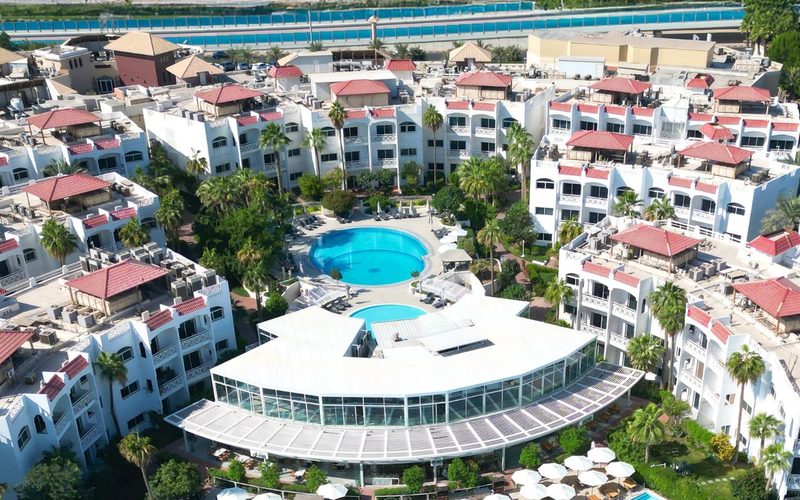
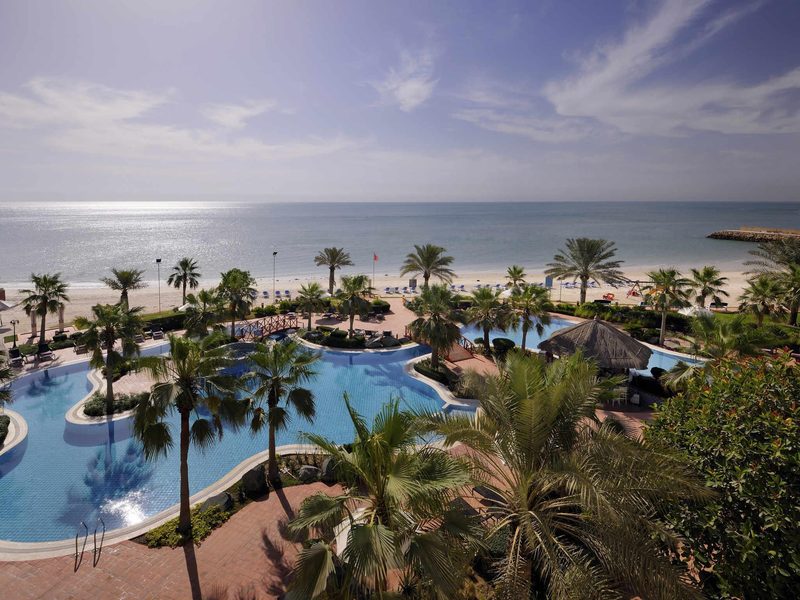
Hand-picked hotels across price tiers for February travellers.
Public Holidays in February
Dates that affect opening hours, transport and crowds
National Day
Observed nationwide as a public holiday. Date calculated from the national holiday calendar.
Liberation Day
Observed nationwide as a public holiday. Date calculated from the national holiday calendar.
National Day
Observed nationwide as a public holiday. Date calculated from the national holiday calendar.
Eid al-Fitr (estimated); Liberation Day
Observed nationwide as a public holiday. This date depends on observation rather than a fixed calendar, so confirm it locally closer to the time. Date not yet confirmed.
Eid al-Fitr Holiday
Observed nationwide as a public holiday. This date depends on observation rather than a fixed calendar, so confirm it locally closer to the time. Date not yet confirmed.
Eid al-Fitr Holiday
Observed nationwide as a public holiday. This date depends on observation rather than a fixed calendar, so confirm it locally closer to the time. Date not yet confirmed.
Packing Checklist
Bookmark this page — your progress is saved between visits
Need the full list with shopping links?
Climate-specific gear, brand recommendations, and what to leave at home.
View Kuwait City Packing List →Essential Tips
Insider knowledge and common pitfalls to avoid
Insider Knowledge
The real Kuwait City eating experience during Ramadan happens between iftar and suhoor, roughly from sunset until about 3 AM. The city essentially inverts its schedule: what would be lunch spots become midnight destinations, and the best machboos in the old souq area comes from stalls that do not even open their shutters until after the evening prayer. If you want to eat like a local, set your alarm for 1 AM and head to the souq. The texture of fresh gabout, dumplings filled with onion and spice dropped into a tangy tomato broth, eaten at 2 AM under fluorescent lights with Kuwaiti families, is the kind of experience no hotel concierge will arrange for you.
Kuwait City's beach access is oddly segmented. The public stretches along the Gulf coast south of the city center, around the Salmiya and Marina areas, are free to use. But they are not postcard-worthy in the Caribbean sense. The water is shallow, calm, and warm even in February, more like a bathtub than an ocean. The private beach clubs attached to major hotels offer better maintained shoreline. But the public beaches at dawn, before the joggers and families arrive, have a quiet, salt-scented stillness that the resorts cannot replicate.
Friday is the holy day and the first day of the weekend, and during Ramadan, Kuwait City feels like it has been unplugged until late afternoon. Use Friday mornings for the Kuwait National Museum or the Tareq Rajab Museum of Islamic Calligraphy, both of which are air-conditioned, uncrowded, and worth more time than most visitors give them. The calligraphy museum in particular holds manuscripts and Qurans that date back centuries, displayed in a converted villa in Jabriya that most tourists walk past without realizing what is inside.
Do not underestimate the traffic increase after iftar. The 30-minute window after sunset becomes a citywide rush as everyone heads to family gatherings, restaurants, or the malls, and Gulf Road, the main waterfront highway, locks up completely. If you have dinner plans, either be at your destination before the iftar cannon fires or wait a full hour after sunset for the initial wave to clear. Kuwaiti drivers are assertive under normal conditions and impatient when hungry, so this is not the time to be navigating unfamiliar roads.
Avoid These Mistakes
Eating, drinking, or chewing gum in public during Ramadan daylight hours. This is not a suggestion, it is legally enforced in Kuwait, and even non-Muslim visitors are expected to comply. First-time travelers sometimes assume the rules are relaxed in tourist areas or malls. They are not. Hotels typically designate a screened-off area for non-fasting guests. But outside those spaces, nothing goes in your mouth until the sunset call to prayer.
Planning a daytime itinerary that assumes normal restaurant and shop hours. During Ramadan, most restaurants close entirely from dawn to sunset, and many shops open late and close by mid-afternoon. Travelers who arrive with a packed daytime schedule find themselves walking through a city that is largely shuttered, wondering where everyone went. The solution is to shift your entire rhythm: sleep until mid-morning, visit museums and outdoor sites in the early afternoon, and come alive after sunset when the city does.
Assuming Kuwait City's safety concerns match other Gulf capitals. Kuwait is remarkably safe for visitors, with violent crime against tourists essentially nonexistent and petty crime rates that most Western cities would envy. The real safety consideration is road behavior. Kuwaiti drivers treat speed limits as loose suggestions, lane changes happen without warning, and the combination of fast traffic and wide highways means pedestrian crossings require genuine alertness. Walk defensively, after iftar when traffic peaks.
Ready to plan your trip to Kuwait City?
Now that you've got the research covered, here's where to go next.
Explore More Activities in Kuwait City
Didn't see anything interesting yet?
Browse Viator's full catalog of tours, day trips, food experiences, and private guides in Kuwait City.
See All Kuwait City Tours on Viator