
Things to Do in Kuwait City in March
March weather, activities, events & insider tips
Low Season · Budget Friendly
March Weather in Kuwait City
Long-run averages for March
79°F (26°C)
High Temp
55°F (13°C)
Low Temp
0.7 inches (18 mm)
Rainfall
53%
Humidity
7
Sunny-Day UV
⚠ Shamal dust storms can blow in from the northwest with little advance warning during March, reducing visibility to under 1 km (0.6 miles) and filling the air with fine particulate that irritates eyes, throat, and lungs. These episodes typically last one to three days. Monitor local weather forecasts daily and carry a dust mask or fabric face covering when heading outdoors.
Is March Right for You?
Weigh the advantages and considerations before booking
Advantages
- + March is your final window for comfortable outdoor exploration before Kuwait City's brutal summer arrives. April brings highs of 32°C (90°F). By July, you face 46°C (115°F). At 26°C (79°F), March lets you walk the Corniche, explore Souq Al-Mubarakiya, and linger in the desert. The heat will not chase you indoors by midmorning. This is the month to move.
- + Eid al-Fitr marks Ramadan's end. In 2027, expect it in early-to-mid March. Kuwait City changes completely. Families crowd the Arabian Gulf Road waterfront. Every corner offers luqaimat, those fried dumplings dripping with date syrup. The city's usual reserve cracks open. Three days follow: communal feasting, fireworks over Kuwait Bay, gatherings that stretch until dawn. The pace is electric.
- + March desert conditions are ideal. Winter rains have pushed the arfaj bush into bloom across gravel plains south of the city. Overnight lows hit 13°C (55°F). You can camp without January's biting cold. Late afternoon light turns low and golden. The air carries dry mineral scent, not the dust-choked haze of summer shamals. This is the desert at its most forgiving.
- + Kuwait City in March sits outside the Gulf tourism corridor feeding Dubai and Doha. You will likely have Kuwait National Museum's galleries alone on a weekday morning. Sharq's traditional dhow harbor feels like working waterfront, not tourist theater. Mass tourism is absent here. Local interactions stay genuine. They stay unhurried. This is rare.
Considerations
- − Early March 2027 likely falls during Ramadan's final stretch. No eating, drinking, or smoking in public during daylight. Restaurants open only after sunset for iftar. The city's rhythm inverts: quiet by day, alive after dark. Unprepared visitors find daytime emptiness disorienting. Lunch becomes a hotel room affair, curtains drawn. Plan for this. It is non-negotiable.
- − Shamal winds blow northwest in late winter and early spring. They carry fine desert dust that cuts visibility and coats everything in grit. When one hits, the sky turns flat ochre-yellow. Your throat dries within minutes. These episodes last one to three days. Prediction beyond 48 hours is impossible. Pack a scarf. Check forecasts daily.
- − Kuwait is dry in the legal sense. Alcohol is prohibited. Full stop. Nightlife means shisha lounges, late-night Gulf Road cafes, large malls open past midnight. If your evening requires a cocktail bar, Kuwait City will disappoint. No searching changes this. Adapt your expectations. Or choose elsewhere.
Best Activities in March
Top things to do during your visit
March arrives in Kuwait City as a reprieve. The punishing summer heat that will push thermometers past 45°C by June is still months away, and the air settles into a corridor between an average high of 26°C and a low of 13°C that makes walking the corniche at dusk not just tolerable but pleasant. A dry wind carrying the faintest mineral tang of the desert rolls across Kuwait Bay in the late afternoon, and the low-angle light turns the Kuwait Towers' turquoise globes the color of deep seawater. This is the narrow window when Kuwait City lives outdoors: families spread blankets along the waterfront promenade after maghrib prayer, the smell of grilled hammour and saffron rice drifts from restaurants whose terraces have finally reopened, and the malls, vast, climate-sealed, the social heart of the city for most of the year, lose a fraction of their monopoly on evening life. Rainfall in March averages a scant 18 millimeters, usually falling in a single sharp burst that darkens the sky for an hour and leaves the asphalt steaming. The rest of the month is clear and bright, good for the desert excursions south of the city where the sand flats stretch toward Saudi Arabia in shades of bleached gold and rust. Kuwait City in March also sits at the tail end of a brief green season: the sparse desert scrub that sprouted after winter rains has not yet withered, and mornings carry a faint herbal sweetness before the sun climbs high enough to burn it off. For anyone arriving from the Gulf's hotter capitals, or from the still-cold cities of northern Europe, this shoulder season hits a rare sweet spot, warm enough for shirtsleeves by midday, cool enough after dark to want a light jacket, and dry enough that you can plan every day without checking for rain.

Half Day licensed Tours in Kuwait City & Desert PickUp & DropOff
guided_experienceThis half-day circuit threads Kuwait City's defining landmarks with a sweep into the desert south of the metropolitan edge, compressing the country's two faces, urban waterfront and sand flat, into a single morning or afternoon. Expect the cool marble interiors of the Grand Mosque, the salt-laced breeze along the corniche near the Kuwait Towers, and then a drive into open desert where the silence is so total you can hear your own pulse. The tour picks up and drops off at your accommodation, and the licensed guide narrates in a style that favors storytelling over textbook dates, you will hear about the Iraqi invasion not as a history lesson but as something the guide's family lived through.
Covers both the city's coastal landmarks and the empty quarter's desert landscape in a single outing, guided by someone who can contextualize what you are seeing with lived local knowledge.
Insider tip: Request the afternoon departure if you want the desert light at its best, the low sun around 4 PM turns the sand a deep amber and makes for far better photographs than the flat midday glare.
This month: March temperatures in the low-to-mid twenties make the desert portion of this tour comfortable on foot. By May the sand surface becomes too hot to stand on without thick-soled shoes.

Full Day licensed Tours in Kuwait City & Desert PickUp & DropOff
day_tripThe full-day version of the Kuwait City and desert circuit earns its longer runtime by reaching sites the half-day cannot. Beyond the expected stops at the Grand Mosque and the towers, the itinerary pushes deeper into the desert and lingers at sites like the Failaka Island ferry point, Al Shaheed Park, and the geometric sprawl of the oil fields that remade this country's economy in a single decade. Lunch is typically included, and the midday break has a chance to eat as Kuwaitis do, seated on the floor around a communal platter of machboos, the saffron-stained rice fragrant with dried black limes and slow-cooked lamb that falls apart at the touch of a spoon.
The only way to see Kuwait City's full geographic range in a single day, from the Gulf shoreline through the urban core to deep desert, without renting a car or navigating roads that are poorly signed in English.
Insider tip: Bring a lightweight scarf or shemagh even in March, the desert wind picks up sand in the afternoon, and having something to shield your face makes the dune stops far more enjoyable.

Kuwait City Oil & Gas Exhibition & Al Qurain Martyrs Museum Tour
culturalThis tour pairs two sites that together explain how Kuwait City became what it is. The Oil and Gas Exhibition charts the transformation from pearl-diving port to petrostate with original drilling equipment, sepia photographs of the Burgan field's first gushers, and scale models of offshore platforms, the metallic tang of old machinery still hangs in the exhibition halls. From there the route moves to the Al Qurain Martyrs Museum, a house in a residential suburb that was the site of a twelve-hour firefight during the 1990 Iraqi invasion. The bullet holes in the concrete walls have been left unrepaired. Shattered glass still sits in window frames. The silence inside is heavy and deliberate, and the guide walks you through the rooms where a group of Kuwaiti resistance fighters held their position until they were killed. It is not an easy visit. But it is an essential one for understanding why Kuwait City's relationship with its own history is so fiercely personal.
The most direct encounter with the two forces, oil wealth and wartime trauma, that define modern Kuwait, presented in their original settings rather than sanitized museum halls.
Insider tip: Visit Al Qurain in the morning when fewer groups are present. The small rooms become crowded and lose their impact when tour buses overlap.

Kuwait: Half-Day City & Desert Tour with Pick-Up & Drop-Off
guided_experienceA compact circuit that favors the sensory over the encyclopedic, this half-day tour routes through Kuwait City's waterfront, where the Gulf's turquoise surface glitters against the pale concrete of the shoreline promenade, before heading into the desert for a stretch of open sand. The guide leans toward the experiential: expect stops where you can feel the difference between packed sabkha salt flats, gritty and cool underfoot, and the loose dune sand that swallows your shoes to the ankle. The pickup and drop-off at your hotel removes the logistical friction that makes independent desert travel in Kuwait difficult for first-time visitors, since the turnoffs from the main highways are unmarked and GPS coverage south of the city is unreliable.
The most efficient way for a short-stay visitor to experience both Kuwait City's waterfront atmosphere and the desert's vast quiet without wasting half the day on navigation.
Insider tip: Ask the guide to stop at one of the roadside tea stands on the desert highway, the karak chai, brewed with evaporated milk and crushed cardamom until it turns the color of caramel, is better here than anything you will find in the city hotels.

Discover Bahrain: Authentic Tours with Local Guide.
guided_experienceKuwait City's position on the western shore of the Gulf puts Bahrain within easy reach, and this guided day trip crosses the water to deliver a compressed immersion in a country that shares Kuwait's Gulf identity but diverges sharply in texture. Bahrain's capital, Manama, trades Kuwait City's wide boulevards for tight, crumbling lanes in the old quarter where the plaster walls radiate stored heat and the air smells of rosewater and grilled shawarma smoke. The tour typically covers the Bahrain Fort, a layered archaeological site where Portuguese, Islamic, and Dilmun-era walls sit stacked like geological strata, and the Tree of Life, a solitary mesquite standing in open desert with no visible water source, its leaves dusty green against an expanse of pale sand. The local Bahraini guide brings a perspective that a Kuwait-based operator cannot, grounding each stop in the specific social fabric of Bahraini daily life.
A chance to experience a second Gulf nation in a single trip, with a Bahraini guide whose local knowledge transforms the crossing from a checkbox excursion into genuine cultural contrast.
Insider tip: Eat lunch in Manama's old souk rather than at whatever restaurant the tour suggests, the stalls selling freshly fried samboosa filled with spiced chickpeas and the shops grinding Arabic coffee beans to order are the real draw.

History Tour of Stories That Shaped Kuwait by Kuwaiti Guide
guided_experienceThis is the tour for the visitor who wants Kuwait City to make sense as a narrative, not a series of photo stops. Led by a Kuwaiti guide, not a transplant reading from a script, the route moves chronologically through the city's layers: the old gates of the pre-oil town, the dhow harbor where the wooden hulls still creak against their moorings and the air is thick with the salt-and-tar smell of caulking, the modernist public buildings that went up during the 1960s oil boom, and the invasion-scarred sites that mark the 1990 occupation. The guide tells stories rather than reciting dates, drawing on family memory, neighborhood lore, and the kind of granular detail, which bakery reopened first after liberation, which intersection was a checkpoint, that only someone who grew up in Kuwait City can provide. The pace is deliberate, the group sizes small, and the conversation flows both ways.
The only tour in Kuwait City led exclusively by Kuwaiti nationals who frame the city's history through personal and family memory rather than textbook chronology.
Insider tip: Tell the guide at the start which era interests you most, several visitors have reported that mentioning the pearl-diving period or the invasion unlocks extended stories and detour stops that are not on the standard route.
This month: March weather in Kuwait City, highs around 26°C, negligible rain, makes this walking-heavy tour comfortable for its full duration. The same route in summer would require vehicle transfers between every stop.
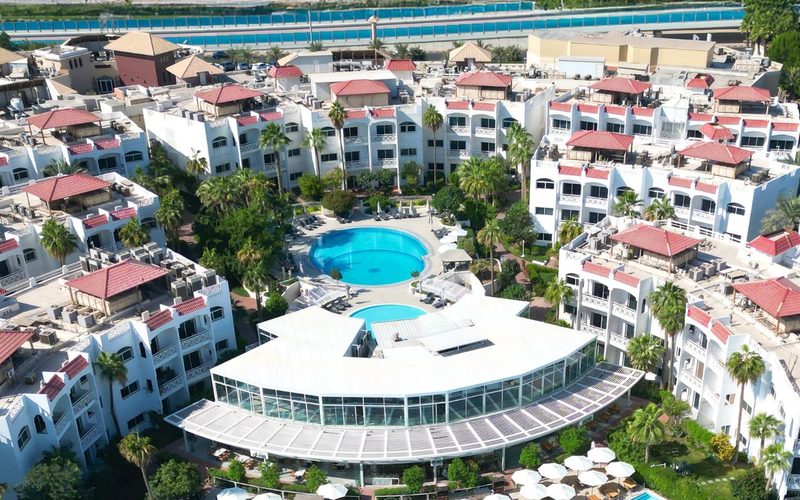
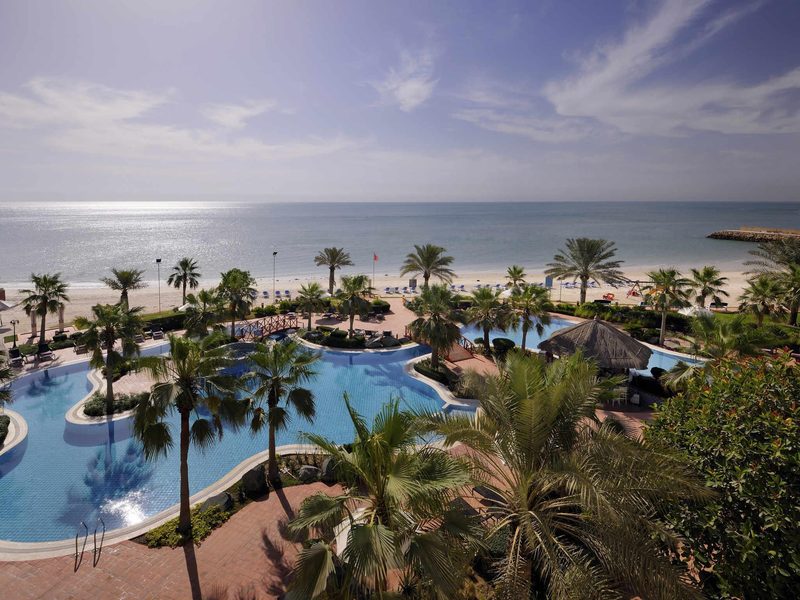
Where to Stay in Kuwait City in March
Hand-picked hotels across price tiers for March travellers.
Public Holidays in March
Dates that affect opening hours, transport and crowds
Eid al-Fitr
Observed nationwide as a public holiday. This date depends on observation rather than a fixed calendar, so confirm it locally closer to the time. Date not yet confirmed.
Eid al-Fitr Holiday
Observed nationwide as a public holiday. This date depends on observation rather than a fixed calendar, so confirm it locally closer to the time. Date not yet confirmed.
Eid al-Fitr Holiday
Observed nationwide as a public holiday. This date depends on observation rather than a fixed calendar, so confirm it locally closer to the time. Date not yet confirmed.
Packing Checklist
Bookmark this page — your progress is saved between visits
Need the full list with shopping links?
Climate-specific gear, brand recommendations, and what to leave at home.
View Kuwait City Packing List →Essential Tips
Insider knowledge and common pitfalls to avoid
Insider Knowledge
If your visit overlaps with the final days of Ramadan in early March, do not treat it as an inconvenience. Go to an iftar meal at sunset instead. The moment the call to prayer sounds from the mosque and the fast breaks, the entire city exhales at once: dates and laban yogurt first, then the full spread. Some of the waterfront restaurants set up communal iftar tables open to anyone, and sitting down with Kuwaiti families over harees, the slow-cooked wheat-and-lamb porridge that is Ramadan's signature dish, is a cultural experience you cannot buy as a tour.
Friday and Saturday are the Kuwaiti weekend, not Saturday and Sunday. Most government offices and many businesses close Friday entirely. The souq is quieter Friday morning but packed Friday evening. Plan museum visits for Sunday through Thursday, when you will have more space and shorter lines at the Kuwait National Museum and the Tareq Rajab Museum of Islamic Calligraphy.
The real seafood in Kuwait City is not in the tourist-facing restaurants along the Gulf Road. The Sharq fish market operates from dawn, and the noise of auctioneers calling prices over stacked crates of zubaidi, the silver pomfret that is Kuwait's most prized table fish, is worth the early alarm. Several of the adjacent no-frills restaurants will cook what you buy from the market itself: grilled over charcoal, the zubaidi's flesh flakes clean and tastes of the sea with a faint sweetness that farmed fish never achieves.
Kuwait City's malls are social infrastructure. In a city where summer heat forces life indoors for five months, malls evolved into gathering places where families eat, walk, and socialize. The Avenues, one of the largest malls in the Middle East, has an outdoor district that comes alive on March evenings when the weather cooperates. Dismissing mall culture here means missing where Kuwaitis spend their leisure time.
Avoid These Mistakes
Assuming Kuwait City is a smaller Dubai. It is not, and visitors who arrive expecting the same glossy tourism machine leave disappointed. Kuwait's appeal is cultural rather than commercial: the merchant history, the Bedouin traditions, the food, the unvarnished Gulf waterfront. Adjust your expectations before arrival and you will find a city that rewards curiosity far more than it rewards a checklist.
Ignoring Ramadan timing. If the first week of March falls during Ramadan, as it likely will in 2027, eating or drinking in public during daylight is both illegal and disrespectful. Hotels serve meals to guests in enclosed dining rooms. But stepping outside with a water bottle in hand will draw sharp looks at minimum. Know the dates before you book, and plan your days around the iftar and suhoor meal schedule rather than fighting it.
Spending all your time on the coast and skipping the desert entirely. Kuwait is a desert country, and the flat emptiness south of the city, in March when the air is clear and the light is good, is the landscape that shaped everything about Kuwaiti culture, from the hospitality code to the food to the architecture. A half-day desert excursion is not a side trip. It is the context that makes the city make sense.
Ready to plan your trip to Kuwait City?
Now that you've got the research covered, here's where to go next.
Explore More Activities in Kuwait City
Didn't see anything interesting yet?
Browse Viator's full catalog of tours, day trips, food experiences, and private guides in Kuwait City.
See All Kuwait City Tours on Viator